Vexa customizes Shopify themes for UAE brands that need a more distinctive, usable, and maintainable storefront without taking on unnecessary headless complexity.
The short answer
Theme customization can range from focused section and product-template improvements to a complete design-system rebuild. Vexa audits the current theme, identifies the customer and publishing problems, and develops reusable solutions inside Shopify’s native editing model. Vexa starts by identifying whether the requirement belongs in theme settings, reusable Liquid sections, metafields or metaobjects, an app extension, or a separate custom application. That decision matters because unnecessary theme code can slow the storefront, complicate merchant editing, and make future upgrades harder. Delivery can include design-system alignment, product and collection templates, navigation, search and filters, Arabic RTL, accessibility, performance, analytics, and responsive quality assurance. Existing customisations are audited before editing so dependencies and regressions are understood. Custom store design and full setup starts from AED 4,000; focused theme work is scoped against the requested templates and behaviour. Paid themes, applications, subscriptions, and third-party services are separate.
Reviewed 12 September 2026
Start with evidence from the current theme
A customization project begins by reviewing the live storefront, analytics, search behaviour, support questions, merchandising needs, theme editor, app footprint, and code quality. Vexa identifies where customers lose clarity and where the internal team loses time. The backlog distinguishes design defects, content problems, technical debt, and opportunities that require experimentation.
This audit prevents a visual redesign from hiding the same structural problems beneath new styling. It also establishes a before-and-after baseline for mobile usability, page speed, product discovery, content flexibility, and conversion journeys.
Reusable sections instead of one-off pages
Vexa translates the brand system into reusable Shopify sections, blocks, templates, metafields, and metaobjects. Editors can build approved page combinations without code while typography, spacing, imagery, controls, and responsive behaviour remain consistent. Product and collection templates are shaped around the information customers need to decide.
One-off hard-coded landing pages may launch quickly but become expensive to update. A reusable system takes more thought upfront and gives the merchant a faster, safer publishing model across campaigns, categories, editorial content, and regional versions.
Mobile, accessibility, and storefront performance
Most commerce journeys are constrained by small screens, variable networks, and one-handed interaction. Customization work checks navigation, search, filters, product media, options, sticky actions, forms, cart behaviour, typography, and touch targets at realistic breakpoints. Arabic right-to-left layouts are reviewed separately when required.
Performance improvements may include responsive images, loading priorities, reduced JavaScript, app cleanup, stable dimensions, font handling, and more efficient sections. Accessibility checks cover semantic structure, keyboard use, focus, labels, contrast, and motion preferences. These improvements strengthen the experience without changing the brand’s character.
Before-and-after results that teams can verify
A useful before-and-after comparison records the original issue, the implemented change, and the signal used to judge improvement. Depending on the scope, that may include task completion, page speed, search usage, product engagement, add-to-cart behaviour, publishing time, or support volume. Vexa avoids presenting an attractive screenshot as the only proof of success.
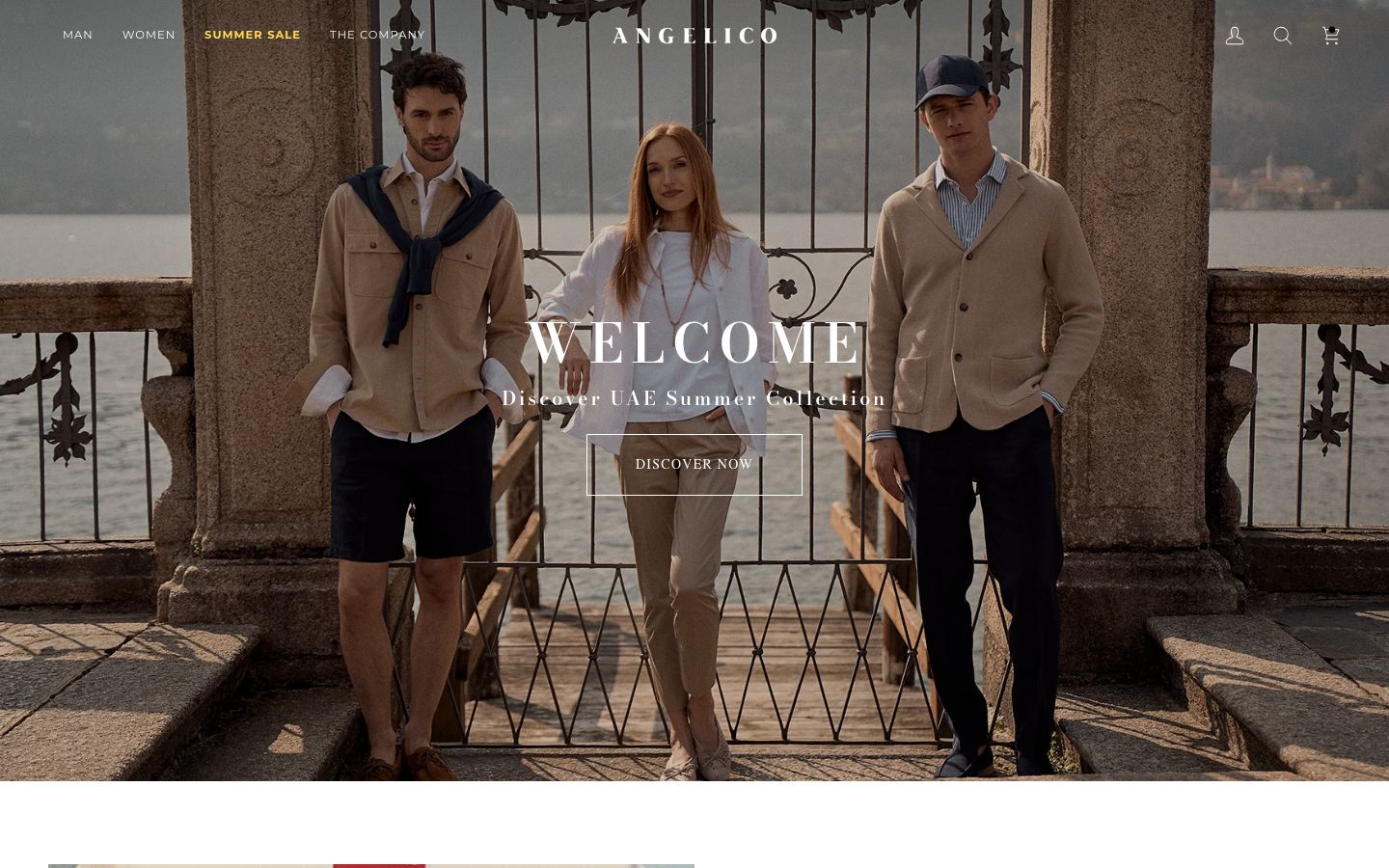
Relevant Vexa work demonstrates different design contexts, from editorial fashion to high-volume consumer products and education. During discovery, we identify which examples are comparable to the merchant’s customer journey and technical constraints rather than claiming that every case study predicts the same result.
Safe launch and maintainable handover
Theme changes are developed and reviewed away from the live storefront. QA covers representative products, collections, content pages, languages, devices, apps, analytics, and checkout-adjacent links. The release checklist records theme publication, configuration changes, redirects, tracking, and verification steps.
After launch, editors receive guidance for the new sections and content rules, while technical notes document custom code and dependencies. This protects the work from accidental misuse and gives future development teams a clear starting point.
Shopify store redesign without rebuilding everything
Shopify store redesign is appropriate when your brand, catalogue or customer journey has changed but the platform still fits. Vexa reviews the existing theme, product and collection templates, navigation and app dependencies before recommending targeted theme customization or a replacement. Liquid development and reusable sections give your team control over future merchandising. Existing URLs and important content are preserved where possible, with redirects planned for necessary changes.
Shopify technical SEO and speed optimization
For Abu Dhabi and UAE merchants, a Shopify SEO audit should check indexable product and collection pages, titles, canonical URLs, structured data, internal links and Arabic–English language signals. We connect those findings to theme changes rather than treating SEO as a list of keywords. Shopify speed optimization starts with measurements of images, app scripts, fonts and layout shifts on representative mobile pages. The scope prioritizes verified bottlenecks; a particular score or search position is not guaranteed.
Shopify conversion rate optimization: improve the buying journey
Conversion rate optimization (CRO) examines where shoppers struggle with discovery, product information, delivery details, payment choices and cart interactions. We agree an analytics baseline and prioritize design changes around those observed problems. UAE-specific checks include clear AED prices, Arabic layouts where required, and accurate delivery and payment information. Checkout changes depend on Shopify’s available extension points and your plan; results depend on traffic quality, pricing and the wider offer as well as the interface.
A delivery process built for accountable launches
Every engagement starts with a working session covering customers, catalogue structure, operational constraints, integrations, analytics, and the commercial result the store must support. Vexa turns that input into a prioritised scope with named owners, dependencies, acceptance criteria, and a launch sequence. This keeps design decisions tied to real business requirements and gives stakeholders a shared definition of done.
During delivery, work moves through design review, development, content and data preparation, quality assurance, and team handover. Testing covers responsive layouts, accessibility, storefront behaviour, checkout-adjacent journeys, analytics, notifications, and the operational exceptions that are most likely to affect customers. After launch, the backlog is organised around evidence rather than assumptions, so the next improvements have a clear reason and measurable outcome.
UAE commerce knowledge included in the build
A UAE storefront has to account for local buying expectations as well as platform mechanics. Vexa plans Arabic and English content, right-to-left presentation, mobile-first journeys, local payment options, delivery rules, customer communications, VAT-aware operations, and the hand-offs between ecommerce and retail teams. The exact setup depends on the merchant, provider eligibility, and operational model, so recommendations are validated during discovery rather than presented as a generic app list.
The result is a Shopify implementation that the internal team can operate. Documentation and training cover the recurring tasks behind products, collections, promotions, orders, returns, inventory, content, and reporting. Technical choices are recorded so future developers can understand why the store works the way it does and improve it without rebuilding the same context.
Frequently asked questions
What can Shopify theme customization change?
It can change layout, navigation, sections, templates, product and collection presentation, content controls, responsive behaviour, accessibility, performance, analytics hooks, and localized RTL/LTR presentation within Shopify’s theme architecture.
Should a feature be built in the theme or as an app?
Use the theme for presentation and merchant-controlled storefront content. Use an app or extension when the feature needs protected business logic, external data, admin workflows, background processing, or reusable installation boundaries.
Can Vexa customize an existing Shopify theme?
Yes. Vexa can audit the current theme and applications, identify upgrade and performance risks, then scope focused improvements or a structured rebuild when accumulated code makes further editing unsafe.
Does theme customization include Arabic RTL?
It can. Proper bilingual delivery covers layout direction, typography, icons, navigation, filters, forms, product options, metadata, mobile testing, and a workflow for keeping Arabic and English content aligned.
Vexa is listed in Shopify’s Partner Directory as an Abu Dhabi service partner, with partner experience dating to September 2020 and a 5.0 rating from 12 reviews when last verified.